
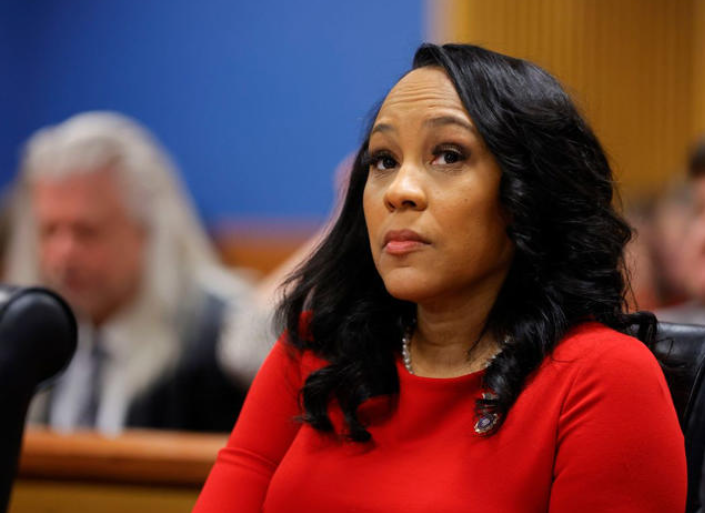
In an unusual convergence of judicial politics and prosecutorial power, three current Fulton County assistant district attorneys have filed to run against sitting judges in the upcoming election cycle, sparking debate among legal ethics experts about whether District Attorney Fani Willis has overstepped her role.
Will Wooten, a prosecutor who worked on the Trump election interference case, is challenging Georgia Court of Appeals Judge Trent Brown, whose panel decision helped derail that prosecution. Nikia Smith Sellers is running against Fulton Superior Court Judge Paige Reese Whitaker, who presided over the sprawling Young Thug racketeering case. Janice Moore is challenging Judge Craig Schwall, one of the first Republican-appointed judges on the Fulton bench.
All three candidates remain active prosecutors in Willis’s office while campaigning to unseat the judges before whom they and their colleagues regularly appear.
The Recusal Question
Legal ethicists say the arrangement raises novel questions about judicial recusal. If any of the prosecutors win, they would be seated on benches where their former colleagues from the DA’s office will continue to try cases, creating potential conflicts of interest that Georgia’s judicial code does not squarely address.
“It is not unusual for prosecutors, or former prosecutors, to run for seats on the bench,” said Fred Hicks, a veteran Democratic strategist working for Judges Whitaker and Schwall. “But it is unusual to have current assistant district attorneys running for office against sitting judges in their district.”
Willis’s Role
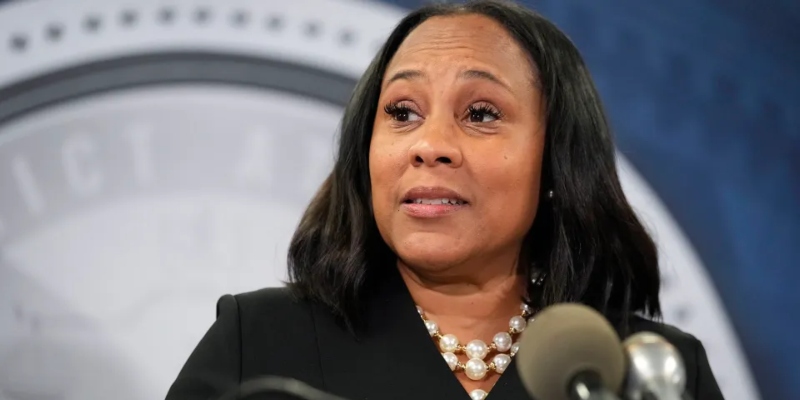
According to an opinion column published by the Atlanta Journal-Constitution on May 8, 2026, word in legal circles is that Willis – “never one to shy away from a fight” – recruited the three prosecutors to run against judges who have irked her. All three candidates have publicly stated that they made their own decisions to run, insisting that Willis is merely a supporter. Willis has endorsed the candidates and, in at least one case, provided financial support.
The timing has drawn scrutiny. Judge Whitaker’s handling of the Young Thug case, which has faced criticism for its protracted pretrial proceedings, became a point of friction with Willis’s office. Judge Brown’s appellate ruling effectively terminated the Trump election prosecution, a case Willis had personally championed.
Ethical Boundaries
The Georgia Rules of Professional Conduct prohibit prosecutors from using their official authority to advance personal interests, but they offer little guidance on electoral activity. Similarly, the Georgia Code of Judicial Conduct restricts judges from engaging in political activity – but does not clearly address the situation where their challengers are active prosecutors in the same jurisdiction.
“The normal separation between the executive function of prosecution and the judicial function of judging has been blurred here,” said one Atlanta-based legal ethics expert who declined to be named due to the pending races. “Judges are supposed to be impartial arbiters. When their challengers are the very people who appear before them daily, the line between adversary and candidate disappears.”
Precedent and Practice
Judicial elections in Georgia are nominally nonpartisan, but in practice, they have become increasingly politicized. Sitting judges typically enjoy significant incumbency advantages. Direct challenges by active prosecutors are rare; simultaneous challenges by three prosecutors from the same office may be unprecedented.
The candidates have argued that they are exercising their rights as citizens and that their experience as prosecutors qualifies them for the bench. Willis’s office has not issued an official statement on the races.
What to Watch
The judicial primaries are scheduled for later this year. If any of the three challengers unseat the incumbents, the legal community will confront a new set of questions: Can a former prosecutor fairly preside over cases brought by their former office? Should they be required to recuse themselves? And does the appearance of impropriety alone mandate disqualification?
For now, the races proceed. But the ethical ripples are likely to extend beyond Fulton County.