
Entrepreneur and digital business owner Abra McField says a yearslong business dispute that allegedly left her locked out of her own company systems, customer databases, and intellectual property has escalated into federal litigation involving trademark infringement and breach-of-contract claims.
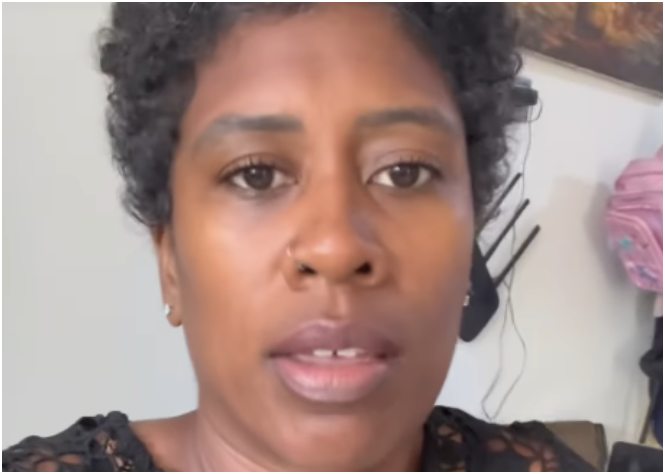
McField, who shared details of the dispute in a lengthy Instagram video and accompanying statement, alleged that a company she contracted to help manage operations while she recovered from severe burnout instead “took” control of the business she spent nearly two decades building.
“You don’t get to take what I built and erase me from it,” McField said in the video. “You can remove my face from my website all you want, but you cannot erase my name or my greatness.”
According to McField, the dispute began after she entered into what she described as a valid business agreement while relocating to Bali with her three children to focus on rebuilding her health. She alleged that after the relationship deteriorated, she was denied access to company assets including websites, customer systems, emails, copyrighted materials, and income channels.
The entrepreneur further claimed that her products continued to be sold for months after the underlying contract expired and that she did not receive compensation from those sales.
“This case is now in federal court,” McField said. “And I got it there without an attorney.”
McField stated that the litigation includes multiple federal claims, including trademark infringement, and alleged that defendants have been served numerous times. She also said a federal judge recently approved an alternative procedural route after earlier service attempts allegedly went unanswered.
The precise allegations and procedural posture of the case could not immediately be independently verified through publicly available court filings at the time of publication.
Still, the dispute underscores broader legal issues increasingly confronting online entrepreneurs and digital brand owners, particularly women-led businesses operating through licensing, operational management partnerships, and e-commerce platforms.
Legal experts have long warned that creators and small business owners can become vulnerable when third parties obtain administrative control over core business infrastructure such as domain registrations, payment processors, customer relationship management systems, trademarks, and intellectual property portfolios.
McField alleged that she repeatedly requested access to her systems and was effectively told she lacked the financial resources to pursue litigation.
“The message was clear,” she wrote in the caption accompanying her video. “He believed lack of resources would stop me from fighting back.”
The entrepreneur also tied the legal fight to larger questions surrounding ownership rights and power imbalances in business relationships.
“When someone breaches an agreement and locks you out of a company you spent 17 years building, your website, your customer list, your emails, your intellectual property, your income, you are emptied,” she said.
McField described the emotional and financial fallout as devastating, alleging that her home entered foreclosure while her income streams were frozen amid the dispute.
“I built a million-dollar business after being homeless as a single mother,” she said. “I nearly lost my life twice from overworking that process.”
The case also reflects a growing trend of entrepreneurs turning to social media not only for brand visibility, but to document ongoing legal disputes, crowdfund litigation expenses, and mobilize public support while navigating complex civil litigation.
Federal intellectual property disputes can involve claims under the Lanham Act, contract law, unfair competition statutes, and digital ownership issues related to access credentials and proprietary content. Trademark infringement claims, in particular, can arise when a business name, likeness, or branded products continue to be used without authorization following the breakdown of a contractual relationship.
McField said she decided to go public because she believed silence would allow the matter to disappear without accountability.
“Some people mistake exhaustion for weakness,” she said. “And that was their first mistake.”