
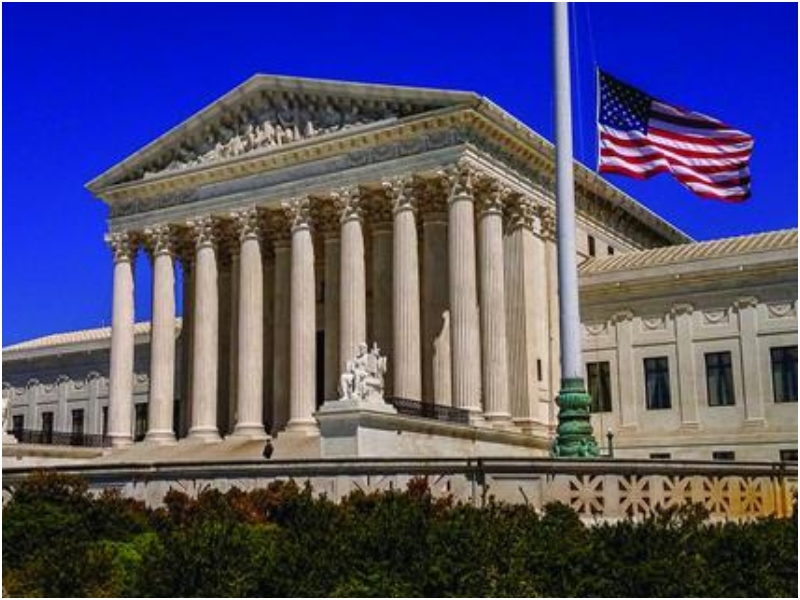
A controversial U.S. Supreme Court decision narrowing key protections under the Voting Rights Act is already setting the stage for a new wave of legal battles, legislative efforts, and political organizing, as civil rights advocates shift focus to what comes next.
The ruling, described by critics as a significant rollback of federal voting protections, has prompted immediate responses from advocacy groups, lawmakers, and legal experts who say the fight over voting access is far from over.
“This court is fundamentally broken, but remember, broken things can be fixed,” said attorney Jessica Craven in a widely circulated reaction video, underscoring a broader message emerging in the aftermath: while the legal landscape has shifted, multiple avenues remain open.
Litigation Expected to Intensify
Legal challenges are expected to be the first line of response. Civil rights organizations have already signaled plans to file lawsuits targeting state-level voting laws and redistricting maps that may now face fewer federal constraints.
Attorneys specializing in election law say the decision could lead to increased reliance on alternative legal frameworks, including constitutional claims under the Equal Protection Clause and state-level voting protections.
“Even with weakened federal oversight, litigation remains a powerful tool,” noted attorney Stephanie R. Lindsey, pointing to ongoing cases that could define how far states can go in reshaping voting districts and election rules.
Legislative Push Gains Urgency
The ruling is also likely to intensify calls for federal legislation, particularly the proposed John Lewis Voting Rights Advancement Act, which aims to restore and modernize key provisions of the original Voting Rights Act.
Supporters argue that congressional action is now essential to reestablish preclearance requirements and strengthen protections against discriminatory voting practices.
Advocates are increasingly framing upcoming elections as pivotal, urging voters to elect candidates who support voting rights legislation and broader electoral reforms.
Focus on 2026 and Beyond
Political strategists say the 2026 election cycle could become a referendum on voting rights, with control of Congress playing a decisive role in whether new protections are enacted.
Analysts warn that changes to district maps and voting regulations could have significant downstream effects, including shifts in congressional representation and state legislative power.
Some projections cited by advocacy groups suggest that redistricting changes could impact multiple congressional seats in the coming years, though the extent of those effects will depend on subsequent legal challenges and state actions.
Judicial Reform Enters the Debate
The ruling has also reignited discussions around Supreme Court reform. Proposals gaining renewed attention include:
- Term limits for justices
- A binding judicial ethics code
- Expansion of the number of seats on the Court
While such reforms face significant political hurdles, they are increasingly part of the broader conversation about the judiciary’s role in shaping voting rights.
Grassroots Mobilization and Advocacy
Beyond courts and Congress, advocacy groups are urging grassroots action, including voter education, turnout efforts, and financial support for organizations engaged in voting rights litigation.
“Grieve today, fight tomorrow,” the commentator said, echoing a sentiment that has become a rallying cry among activists responding to the decision.
A Long-Term Legal and Political Battle
Legal experts emphasize that the Supreme Court’s ruling does not end the fight over voting rights but rather shifts it into a new phase—one likely to play out across courtrooms, legislatures, and election cycles for years to come.
As one civil rights attorney put it, “The tools may be fewer, but they are not gone. The next chapter will depend on how aggressively they are used.”