
U.S. Representative Shontel Brown is calling for renewed congressional intervention to curb presidential war-making authority, urging the House of Representatives to vote on measures that would limit U.S. involvement in the ongoing Iran conflict.
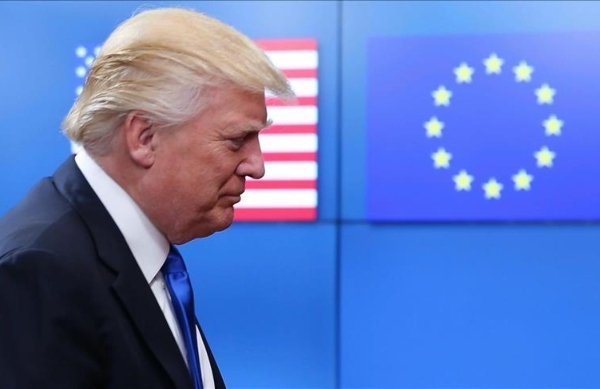
In a public statement and accompanying video, Brown sharply criticized Donald Trump, alleging that his handling of the situation has escalated tensions and imposed significant financial costs on taxpayers.
She claimed the conflict is costing “over a billion dollars a day,” though no official figure has been independently confirmed.
War Powers and Congressional Authority
Brown’s remarks center on the constitutional balance of power between Congress and the executive branch. Under Article I of the U.S. Constitution, Congress retains the authority to declare war, while the president serves as commander-in-chief under Article II.
In practice, however, modern military engagements are often initiated without formal declarations of war, relying instead on authorizations such as the Authorization for Use of Military Force (AUMF) or executive action.
Brown is advocating for a House vote that would effectively invoke Congress’s authority under the War Powers Resolution, which requires the president to notify Congress of military actions and limits the duration of unauthorized deployments.
“It is time… to rein in this dangerous president,” Brown said, calling on House Speaker Mike Johnson to allow a vote on the matter.
Legal and Political Context
Efforts to constrain executive war powers have gained traction in recent years, particularly in relation to U.S. military actions in the Middle East. Lawmakers from both parties have introduced resolutions aimed at limiting unauthorized hostilities, though such measures often face procedural and political hurdles.
Brown indicated she has previously supported similar legislation and suggested that only limited bipartisan support would be required to advance a new resolution.
Contested Claims and Escalating Rhetoric
In her statement, Brown also criticized Trump’s recent rhetoric regarding the conflict, describing it as dangerous and potentially unlawful. She referenced concerns that certain actions or threats could implicate international legal standards governing armed conflict, though she did not cite specific statutes or violations.
Legal experts note that allegations involving “war crimes” carry significant implications under international law, including frameworks such as the Geneva Conventions, but require substantial evidentiary and legal thresholds.
Implications for Separation of Powers
The dispute underscores ongoing tensions over the scope of executive authority in foreign policy and military engagement. While presidents have historically exercised broad discretion in deploying U.S. forces, Congress retains oversight mechanisms—including funding restrictions and war powers resolutions—to check that authority.
Whether Brown’s call will result in legislative action remains uncertain, but the issue continues to highlight the unresolved constitutional and legal questions surrounding modern U.S. military operations.
As the situation develops, the outcome of any potential House vote could have significant implications for the interpretation and enforcement of congressional war powers in future conflicts.