
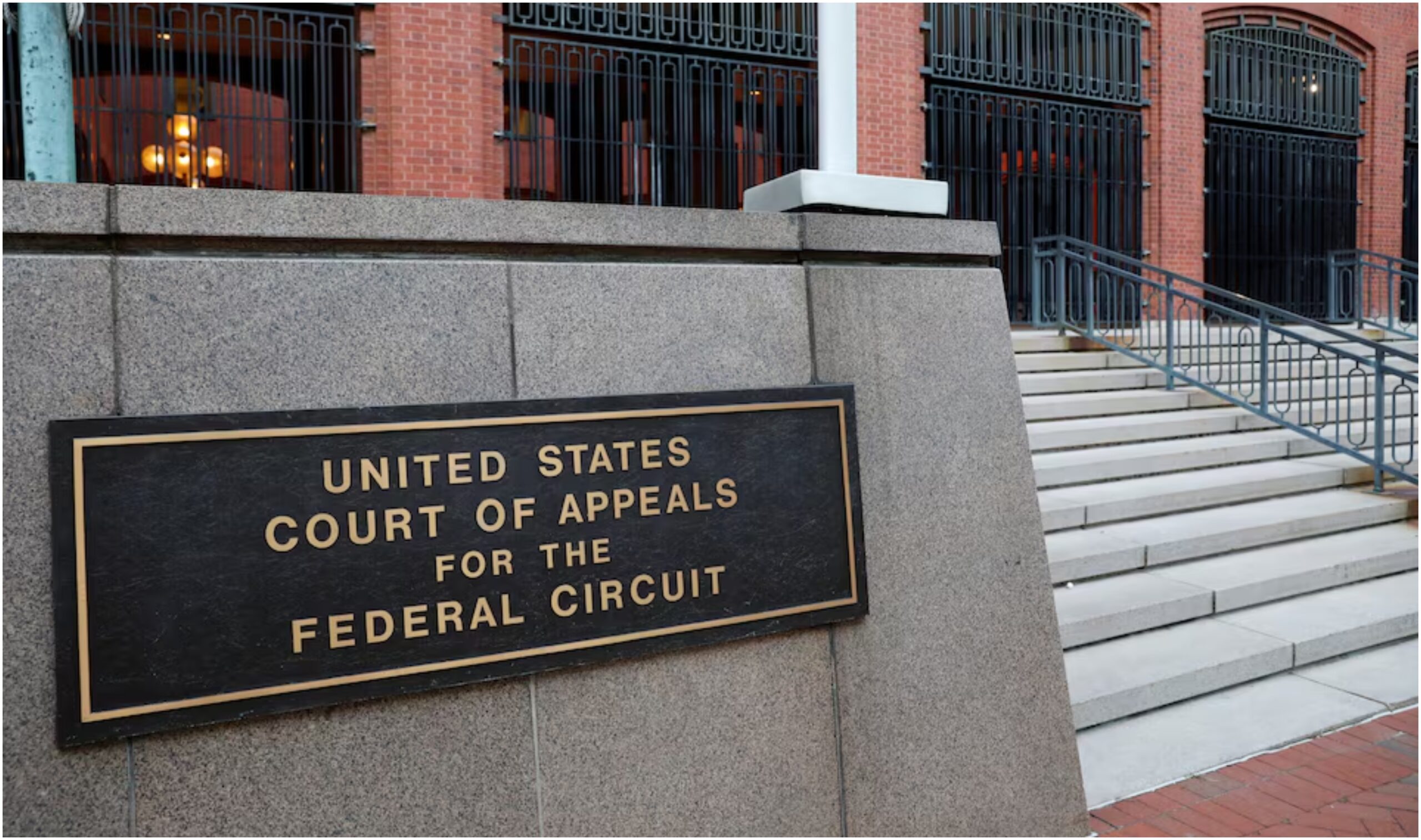
Two former U.S. immigration judges have escalated their legal fight to a federal appellate court, challenging a ruling that upheld their dismissal as consistent with the constitutional authority of the president.
Judges Megan Jackler and Brandon Jaroch filed an appeal this week to the U.S. Court of Appeals for the Federal Circuit after the Merit Systems Protection Board (MSPB) determined their terminations by the U.S. Department of Justice complied with executive powers under Article II of the Constitution.
The judges were dismissed on February 14, 2025, as part of a broader wave of federal workforce terminations. According to filings, they were removed without advance notice or adherence to standard civil service procedures, prompting an initial legal challenge.
An MSPB administrative judge initially sided with Jackler and Jaroch, concluding that the DOJ failed to provide required pre-termination protections under federal civil service law. The ruling ordered their reinstatement with interim relief.
However, upon review, the full MSPB reversed that decision, framing the dispute as a constitutional question. The board held that it had authority to assess whether statutory protections for federal employees could be applied in light of the president’s Article II powers.
Central to the dispute is the interpretation of the Appointments Clause, which distinguishes between “principal officers” and “inferior officers” within the executive branch. While principal officers require Senate confirmation, Congress has broader discretion to vest appointment and removal authority over inferior officers in the president or executive agencies.
The MSPB concluded that immigration judges fall into the category of “inferior officers,” citing their significant administrative responsibilities and the broader policy implications of immigration adjudication. As a result, the board found that traditional civil service protections did not apply in the same manner.
The ruling marks a notable shift from longstanding assumptions about the status of administrative judges and their insulation from political removal.
Counsel for the former judges sharply criticized the decision, warning of far-reaching consequences for federal employment protections.
“The board’s decision contradicts more than a century of binding Supreme Court precedent,” said attorney Nathaniel Zelinsky. “Under this reasoning, the president could dismiss federal employees based on political affiliation, race, gender, religion—or no reason at all. That is incredibly dangerous.”
Legal analysts say the appeal could become a significant test case on the limits of presidential removal authority, particularly as it intersects with statutory protections designed to ensure independence within the federal workforce.
The outcome may have implications beyond immigration courts, potentially affecting a wide range of administrative law judges and federal employees whose roles straddle the line between policymaking and adjudication.

