
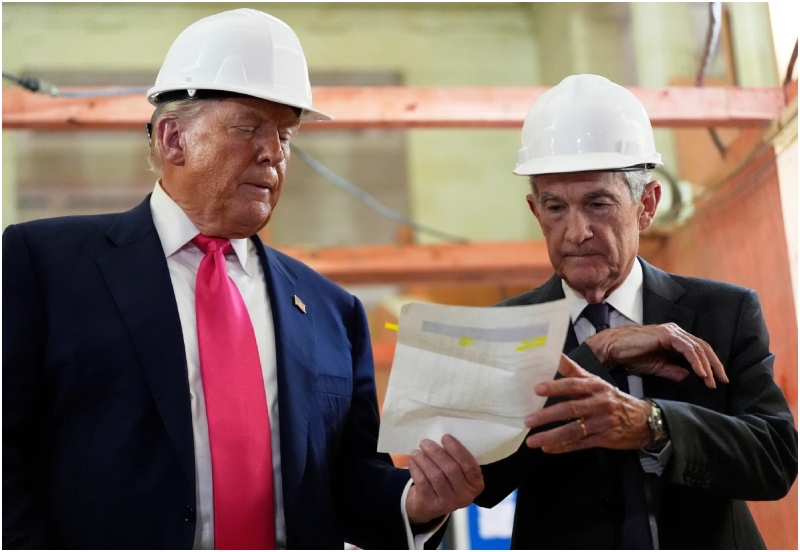
A federal judge has blocked an effort linked to President Donald Trump to issue grand jury subpoenas targeting Jerome Powell, delivering a significant legal setback in a dispute involving the independence of the nation’s central bank.
In a 25-page ruling, the court quashed the subpoenas, concluding that the government failed to show evidence that Powell had committed any crime.
The judge wrote that the dominant—if not sole—purpose of the subpoenas appeared to be harassment and pressure aimed at forcing Powell to either comply with presidential demands or resign.
The ruling stated that federal prosecutors had not presented any credible legal basis for the subpoenas.
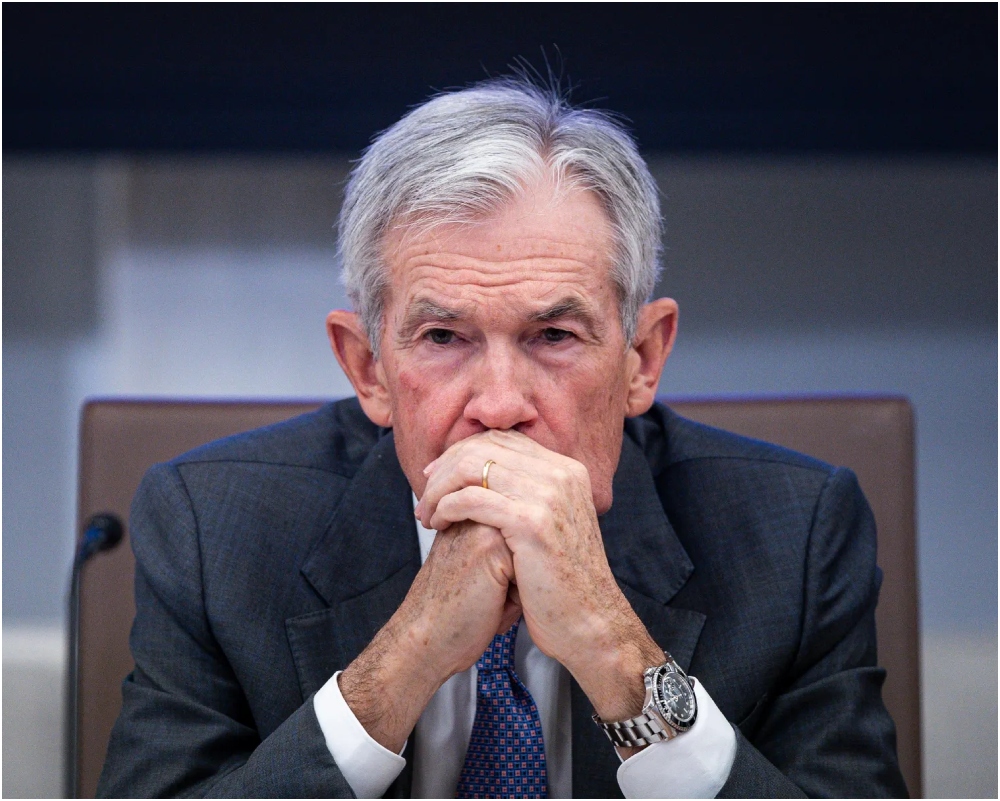
Court Finds Pressure Campaign
According to the decision, the subpoenas were part of a broader attempt to pressure Powell to change Federal Reserve policy or step down so another chair could be appointed.
The judge wrote that the government offered “no evidence whatsoever” of criminal conduct by Powell beyond his refusal to align monetary policy with the president’s wishes.
The ruling also referenced public statements and social media posts attributed to Trump that suggested he wanted the central bank to adjust interest rates in ways that could provide a short-term economic boost ahead of elections.
Federal Reserve Independence at Issue
The case highlights ongoing tensions between the Trump administration and the Federal Reserve System, which is structured to operate independently from direct political control in order to maintain stability in monetary policy.
Legal analysts note that the ruling reinforces limits on using federal investigative powers—such as grand jury subpoenas—to target political or policy opponents without evidence of criminal wrongdoing.
The dispute also involved the United States Department of Justice, which oversees federal prosecutions and grand jury proceedings.
Broader Legal Implications
The decision represents another instance in which courts have scrutinized efforts to use federal legal mechanisms in disputes involving political figures or government officials.
By blocking the subpoenas, the judge reaffirmed that investigative tools such as grand jury demands must be supported by legitimate criminal inquiries rather than political objectives.
Legal experts say the ruling could serve as an important precedent regarding the boundaries of executive influence over independent agencies and the limits of prosecutorial authority in politically sensitive cases.