
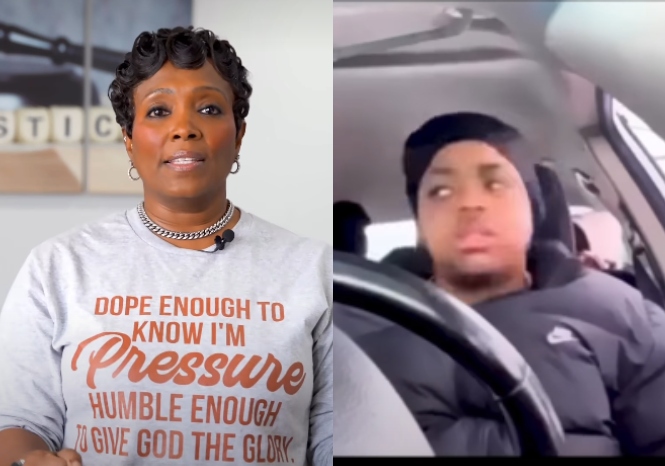
A Georgia criminal defense attorney is urging parents to equip teenage drivers with dashboard cameras, citing the growing legal importance of recorded evidence during interactions with law enforcement.
Stephanie R. Lindsey, an Atlanta-based lawyer who shares legal insights on social media under the handle @attorneystephanie, raised the issue in an Instagram post following the circulation of a viral video showing a traffic stop involving a 17-year-old driver and several passengers.
According to Lindsey, the video gained widespread attention because the teenager’s dashcam captured the exchange between the occupants of the vehicle and police officers during the stop. The footage has since been widely shared online, prompting debate about policing practices and the importance of documentation during roadside encounters.
“But for the fact that that young man had that dashcam, we don’t know if we would have ever heard the story about what happened or saw what happened,” Lindsey said in her commentary accompanying the clip.
Evidentiary Role of Dashcams
Legal analysts note that dashboard cameras can play a significant role in both criminal and civil proceedings involving traffic stops, alleged misconduct, or disputes over what occurred during an encounter with law enforcement.
Dashcam recordings can supplement other forms of evidence, including body-worn camera footage used by police departments, witness testimony, and official reports. In cases where narratives differ between officers and civilians, independent recordings from inside the vehicle may provide an additional evidentiary perspective.
Lindsey argued that parents should consider dashcams as part of the safety measures provided to teenagers once they begin driving independently.
“I keep telling you guys, if you have young men and girls that are driving—16, 17, 18—get you a dashcam for your vehicle,” she said.
Legal and Policy Considerations
The increasing use of dashcams by private drivers reflects broader changes in how digital recordings are used in legal disputes. Courts across the United States have increasingly admitted video recordings as evidence in traffic cases, civil liability disputes, and claims involving police conduct.
Lindsey also suggested that insurance providers could incorporate dashcams into coverage packages for younger drivers, who often face higher premiums due to increased risk.
“I think that as much insurance that we have to pay for our young people to be on our policies, I think the insurance company should automatically throw in a dashcam,” she said, noting that the devices are relatively inexpensive.
While the precise location and outcome of the teen’s traffic stop were not detailed in the viral clip, the incident has fueled ongoing discussion about transparency, accountability, and the role of technology in documenting police interactions.
Legal experts say that as dashcams become more common, they are likely to play an expanding role in litigation, internal investigations, and public debates over policing practices.