
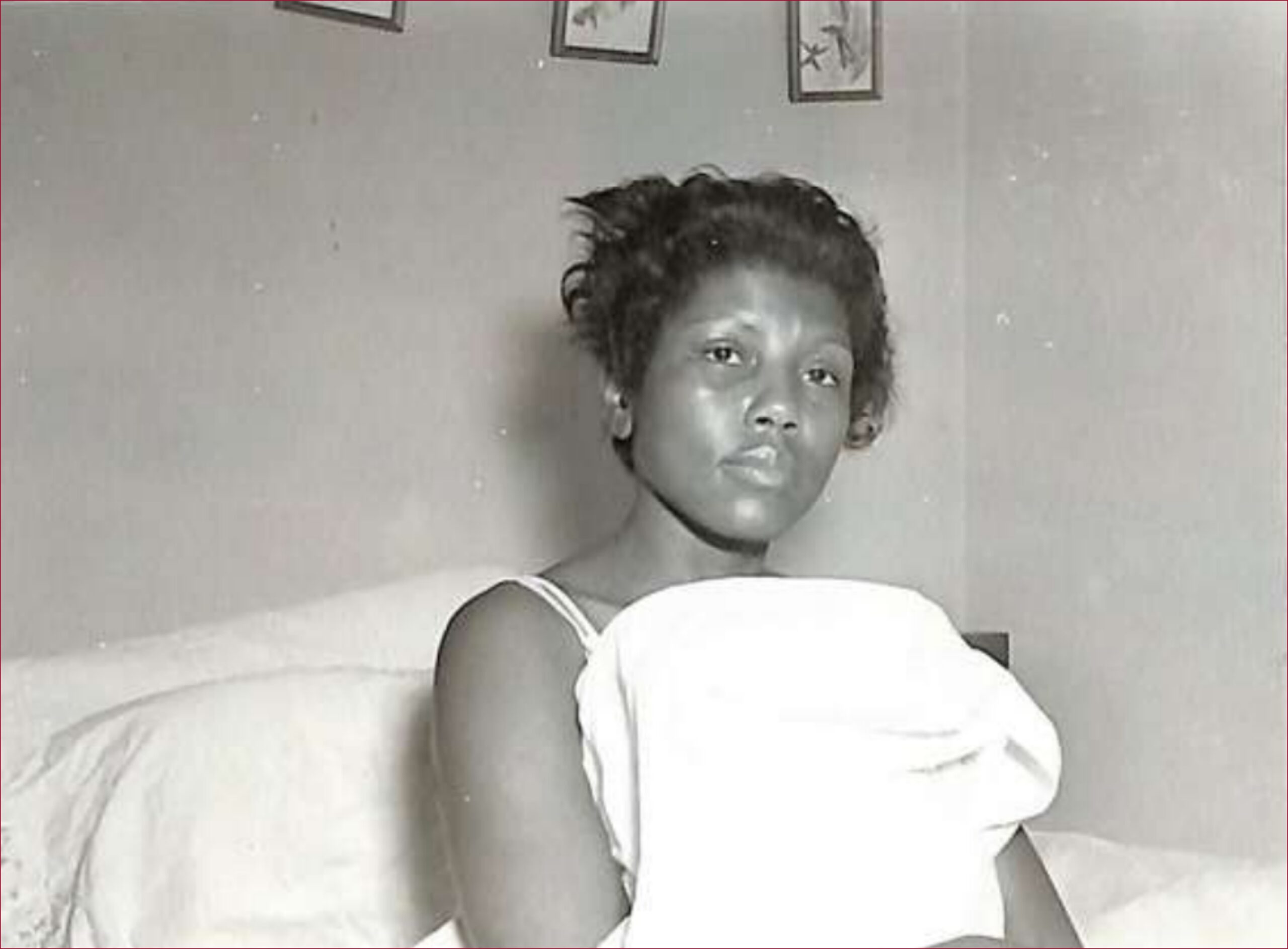
More than six decades after a pregnant civil rights activist was brutally beaten by police officers in southwest Georgia, newly released Justice Department records are reopening scrutiny of one of the most disturbing — and legally unresolved — cases of law enforcement violence in the Jim Crow era.
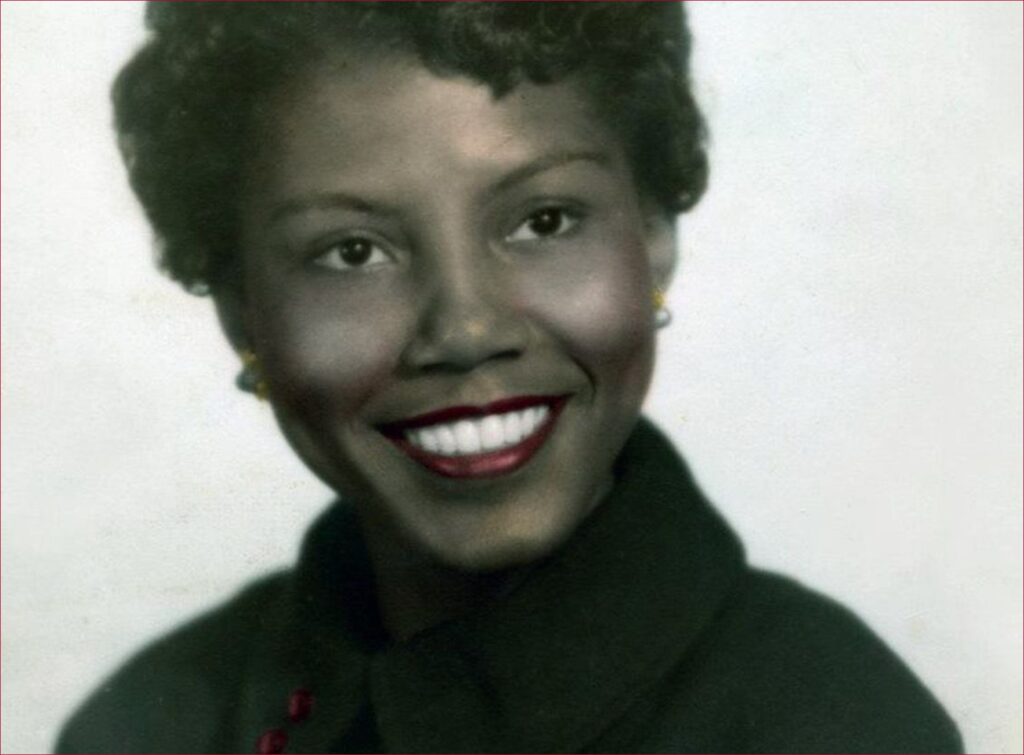
The records, released by the Civil Rights Cold Case Review Board, detail the 1962 police assault on Marion King, a civil rights organizer and the wife of Slater King, a prominent Albany Movement leader. Despite national attention at the time — including concern from the White House and the U.S. Department of Justice — no officer was ever prosecuted, disciplined, or held civilly liable.
A Beating While Pregnant
According to the newly released files and contemporaneous reporting, Marion King was five-and-a-half months pregnant when she was attacked by local law enforcement officers outside the Camilla jail. She had traveled there with her young son, Jonathan King, to bring food and supplies to jailed civil rights demonstrators.
Witness testimony and medical records confirm that officers kicked and stomped King while she lay on the ground, unconscious and defenseless. Hospital interviews recorded shortly after the assault captured her calm but devastating account of the incident.
Months later, King lost her unborn child, a loss her family has long attributed to the injuries sustained during the beating.
“My mother was pregnant. They knew that,” Jonathan King later recalled. “They kept kicking her anyway.”
Federal Attention, No Justice
The attack drew national outrage at the time. Civil rights leaders — including a young John Lewis, who later spoke about the assault at the 1963 March on Washington — cited Marion King’s beating as a symbol of unchecked police violence against Black Americans.
Yet the newly released DOJ files show that federal prosecutors ultimately declined to pursue charges, citing evidentiary hurdles, jurisdictional limits, and prevailing legal standards that made it extraordinarily difficult to prosecute local law enforcement officers for civil rights violations in the early 1960s.
The documents also reveal internal federal acknowledgment that King’s constitutional rights were likely violated — without a legal path forward that would withstand courtroom scrutiny.
A Case That Reflects a Legal Pattern
Legal scholars say the King case illustrates a broader systemic failure of the era: the absence of meaningful accountability mechanisms for police misconduct, particularly when victims were Black women.
“This wasn’t just brutality — it was gendered, racialized violence,” said one civil rights historian familiar with the case. “And the law, as it existed then, offered her virtually no protection.”
At the time, federal civil rights prosecutions required proof that officers acted with specific intent to violate constitutional rights — a burden that frequently shielded perpetrators from accountability.
Trauma Without Closure
For King’s family, the DOJ’s renewed review offers answers — but not justice.
“It doesn’t bring closure,” Jonathan King said. “But it tells us what happened, why it happened, and why the system failed her.”
The Civil Rights Cold Case Review Board emphasized that while prosecutions are no longer possible, releasing the records serves a public accountability function — documenting abuses that were once ignored and preserving them in the historical and legal record.
A Reminder for Modern Policing Debates
The reopening of Marion King’s case comes amid ongoing national debates about police accountability, qualified immunity, and the legal thresholds for prosecuting law enforcement misconduct.
Legal experts note that many of the structural issues that prevented justice in 1962 — including institutional deference to police and narrow interpretations of civil rights statutes — continue to shape contemporary cases.
“Marion King’s story is not just history,” one civil rights attorney said. “It’s a legal warning.”

