
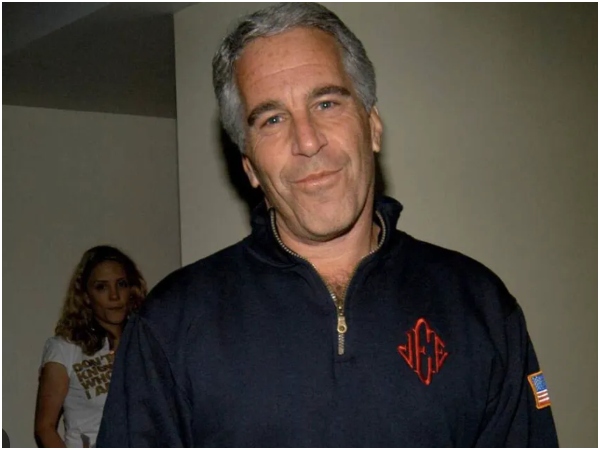
Poland has announced a formal investigation into possible connections between the late U.S. sex offender Jeffrey Epstein and Russian intelligence services, Polish Prime Minister Donald Tusk said on Tuesday — a development with notable implications for international legal and security communities monitoring the recently released Epstein documents.
According to ABC News reporting, the probe will examine whether the extensive cache of files released last week by the U.S. Department of Justice contains evidence of ties between Epstein’s network and Russia’s intelligence apparatus, as well as whether any of the allegations could involve Polish interests or national security.
“We will investigate any links between Epstein and Russian secret services and assess any impact on Poland,” Tusk told government ministers, according to reporting from ABC News Australia.
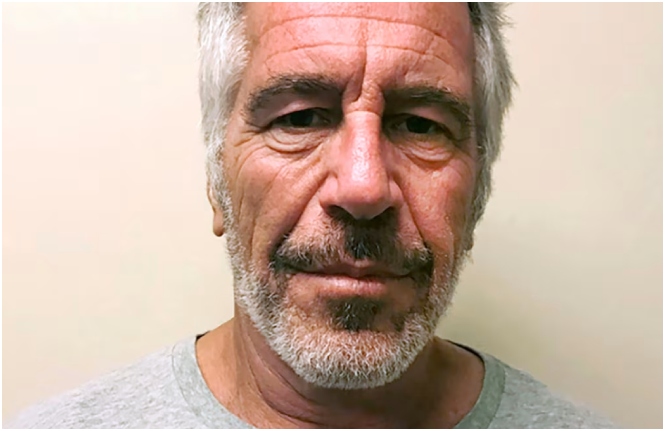
He described growing global speculation that the scandal may have involved more than the sexual abuse and trafficking activities for which Epstein was known.
The move follows the release of millions of internal files by the U.S. Department of Justice, which include references to Russia and Russian figures and have fueled media and diplomatic discussion about broader implications. While references to Russian names — including President Vladimir Putin — appear in the documents, the Polish government has not yet cited specific evidence directly tying Epstein to intelligence operations.
Tusk’s announcement underscores concerns that intelligence agencies globally may need to examine the files not only for evidence of wrongdoing but for potential national security risks arising from any ties between Epstein and foreign services. Analysts have noted that disclosures of compromising material — a tactic known in Russian as kompromat — could provide leverage over influential figures if such material were obtained or used strategically by foreign intelligence. However, no definitive proof has been presented that Epstein acted as an agent for Russian intelligence, and Russian officials have swiftly dismissed the allegations as unfounded.
A Kremlin spokesman called the claims “unworthy of serious comment,” suggesting that Western focus on possible intelligence links is intended to distract from broader scandals involving powerful figures in the U.S. and Europe.
Legal experts point out that Poland’s investigation — if it proceeds beyond initial analysis — may involve collaboration with U.S. authorities, especially because the Justice Department’s document release is unprecedented in scale and scope. The department has made available millions of pages related to Epstein’s communications, finances, and personal contacts, all of which could be relevant to any credible inquiry into foreign involvement.
The United States has faced criticism in some quarters for not fully addressing all aspects of Epstein’s network during earlier prosecutions, leading some foreign governments to pursue their own inquiries. In the Polish context, authorities have said they plan to set up a team involving prosecutors, intelligence officials, and legal specialists to review the materials and determine next steps.
While no specific Polish officials or cases have been publicly identified in the newly released files, the presence of references to Polish locations and names suggests that Warsaw’s legal review could expand into broader questions about how Epstein’s network operated across international borders.
As part of the investigation, Poland might formally request further documentation from U.S. authorities if initial reviews indicate potential legal claims, victimization of Polish nationals, or connections to organized crime or intelligence networks. Prosecutors will be tasked with sifting through the documents to determine whether any activities documented in the files could constitute criminal conduct under Polish or international law.
The unfolding investigation reflects growing global legal engagement with the Epstein files and highlights how the release of such a massive trove of documents can spur cross-border legal scrutiny. As the Polish government proceeds, the international law community — including human rights organizations and transnational legal scholars — will be watching closely to see whether the probe yields credible evidence linking Epstein’s operations to foreign state actors or reveals abuses involving non-U.S. victims.