
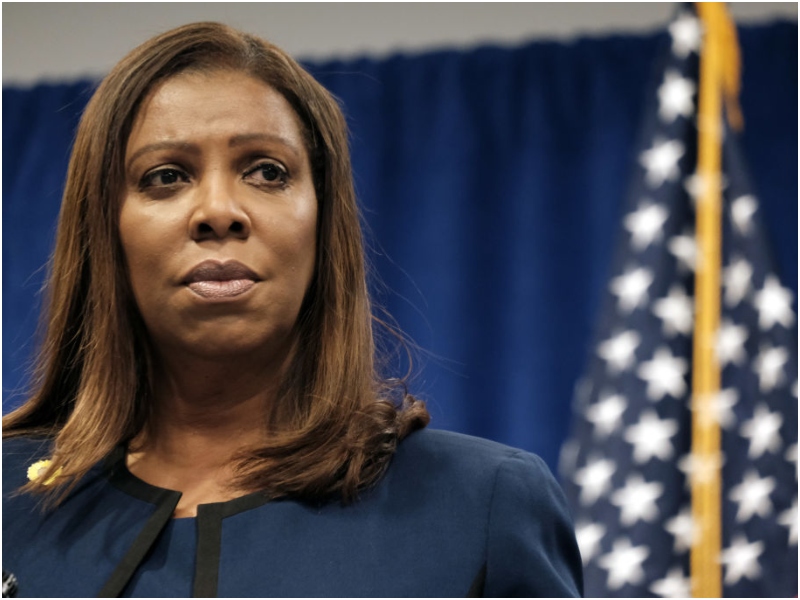
New York Attorney General Letitia James says her office is prepared to closely scrutinize and, if necessary, challenge federal immigration actions amid reports of expanded Immigration and Customs Enforcement (ICE) operations across New York State, including New York City.
In an interview with The Weekend, James framed the state’s response in constitutional terms, emphasizing that her authority is rooted in dual obligations to uphold the U.S. Constitution and protect residents from unlawful government action.
“I took an oath of office to defend the Constitution, and I also took an oath to protect New York from harms,” James said, underscoring that her office is focused on protecting all individuals, regardless of immigration status.
Potential legal challenges
James raised concerns about executive orders issued by the current administration, stating that some may be “illegal, unconstitutional, and unlawful.” While she did not specify which directives could face litigation, the remarks signal that New York is evaluating federal enforcement measures for compliance with constitutional and statutory limits.
State attorneys general have historically challenged federal immigration policies on grounds ranging from due process violations to improper use of administrative authority, and James’ comments suggest similar legal pathways may be under consideration.
Emphasis on warrant authority
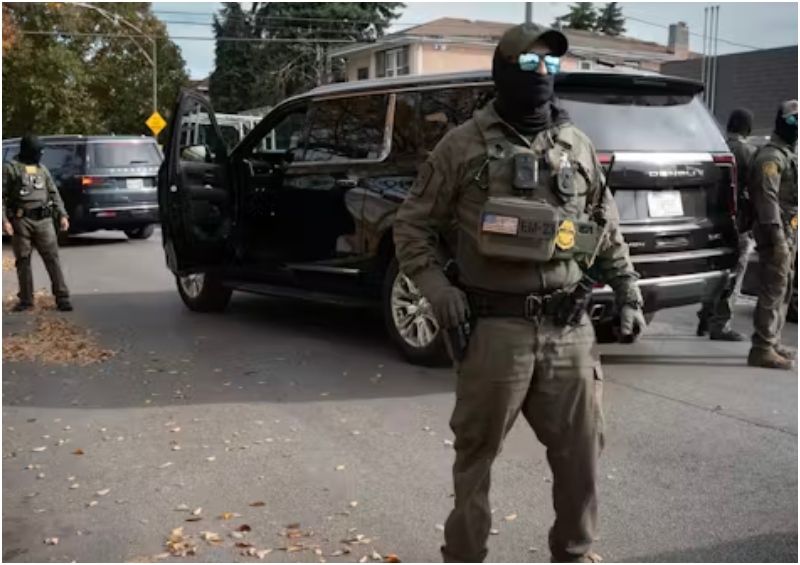
As ICE activity increases, James said her office has prioritized rights education, particularly clarifying the legal distinction between judicial warrants, which require approval by a judge, and administrative warrants, which do not carry the same constitutional weight.
Understanding that difference, she noted, is critical for residents, institutions, and community leaders when interacting with federal agents.
Coordination with community institutions
James said her office has worked with immigrant advocacy organizations, local elected officials, and clergy, noting heightened concern over enforcement actions affecting sensitive locations, including houses of worship.
This coordination, she said, is aimed at ensuring lawful processes are followed and that constitutional protections—such as due process and freedom of religion—are not infringed during enforcement operations.
State–federal tension
The comments highlight ongoing state–federal friction over immigration enforcement, particularly in states that have taken a more protective stance toward immigrant communities. Legal experts note that such disputes often hinge on whether federal actions exceed statutory authority or violate constitutional safeguards.
James reiterated that New York will continue to monitor developments and use legal oversight, litigation where appropriate, and public education as tools to safeguard residents.
“Our role is to ensure the rule of law is followed,” she said, “and that New Yorkers are protected from unlawful harm.”