
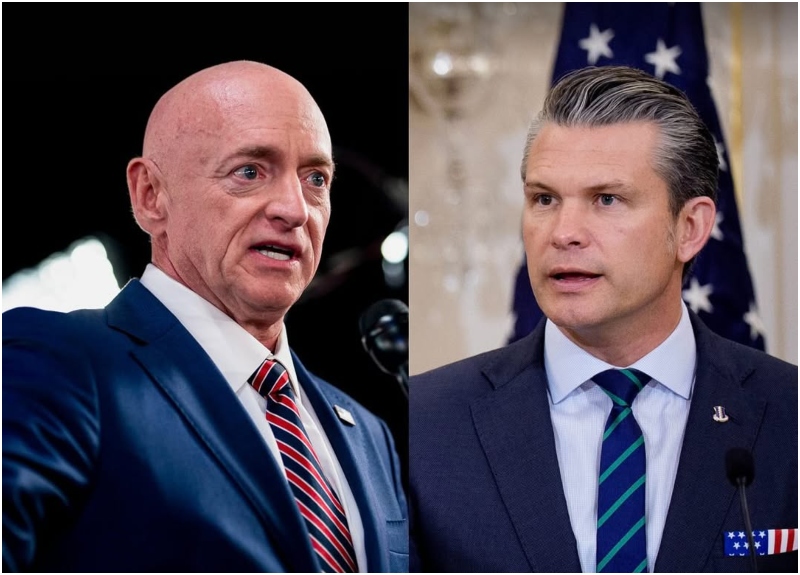
U.S. Senator Mark Kelly (D-Ariz.) has filed a federal lawsuit against the Department of Defense (DoD), Defense Secretary Pete Hegseth, and other senior military officials, arguing that actions taken against him in retaliation for his political speech are unconstitutional and unlawful.
The case, filed on January 12, 2026 in federal court in Washington, D.C., raises significant legal questions about free speech, separation of powers, military discipline, and the limits of executive authority.
Background: What Sparked the Lawsuit
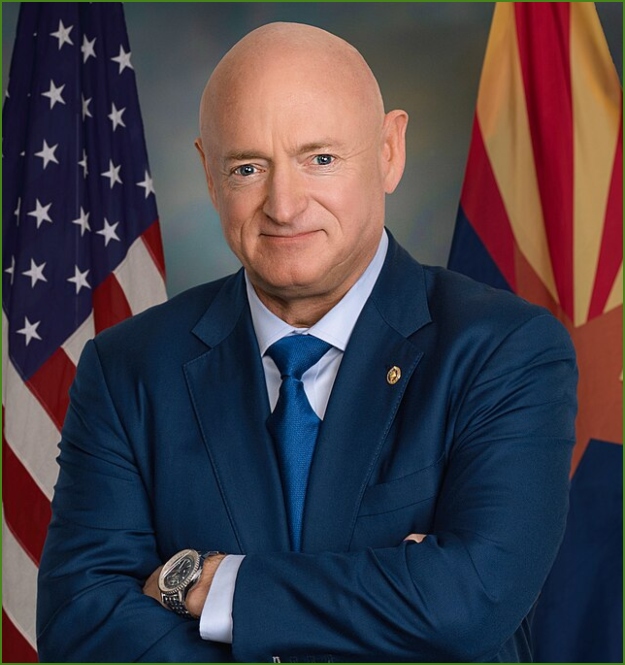
Kelly, a retired U.S. Navy captain and current U.S. Senator, appeared in a November 2025 video with other Democratic lawmakers urging active-duty military personnel to refuse unlawful orders — a stance grounded in established military law and constitutional principles.
The Trump administration responded harshly. On January 5, 2026, Defense Secretary Hegseth issued a formal letter of censure, accusing Kelly of “reckless misconduct” that undermined military discipline. The Pentagon then initiated proceedings that could lead to reducing Kelly’s retired military rank and lowering his retirement pay — punitive measures that directly affect his status and livelihood.
Legal Basis of the Lawsuit
In his complaint, Kelly contends that the Pentagon’s actions violate multiple constitutional protections:
1. First Amendment — Free Speech:
Kelly argues that his participation in the video — and the resulting censure and disciplinary threats — are attempts to punish him for expressing political viewpoints on matters of public concern. The lawsuit asserts that government officials cannot retaliate against protected speech, especially when it comes from a legislator discussing public policy.
2. Separation of Powers:
The suit claims that using military disciplinary mechanisms to penalise a sitting member of Congress encroaches on the constitutional separation of powers. By targeting Kelly for speech related to legislation and oversight, the executive branch is, his lawyers argue, undermining Congressional independence and legislative function.
3. Due Process:
Kelly’s filing also challenges the procedures used by the Pentagon, arguing that reversing his military retirement rank and pay without a fair and transparent process violates his rights under U.S. law.
Broader Legal and Constitutional Issues
This lawsuit is noteworthy not only because it involves a sitting U.S. senator suing a high-ranking executive official, but also because it questions fundamental aspects of American constitutional law:
- Civil-Military Relations: The case tests whether active or retired military status can be used as leverage to suppress political speech by veterans serving in Congress.
- Free Speech for Public Officials: While lawmakers have broad protections for speech on policy matters — including under the Speech or Debate Clause — this dispute highlights tension about when and how speech becomes subject to discipline.
- Executive Power Limits: By suing the Defense Department, Kelly’s action underscores ongoing debates about the boundaries of executive authority, particularly when national security structures intersect with political expression.
What Kelly Is Asking the Court To Do
Kelly’s lawsuit seeks an order from the federal court that would:
- Declare the censure and related disciplinary proceedings unlawful and unconstitutional.
- Block the enforcement of any reduction in rank or retirement pay.
- Preserve the independence of legislators to speak on matters of public policy without fear of retaliation.
A hearing on Kelly’s request for pre-trial relief — including potentially a temporary restraining order — has been scheduled. Legal analysts suggest the case could reach higher federal courts due to its constitutional significance if it is not resolved at the trial level.