

The U.S. House of Representatives has taken a dramatic step in the ongoing Affordable Care Act (ACA) debate, passing a bill to extend enhanced health insurance subsidies that were set to expire at the end of 2025.
The vote — which saw all Democrats joined by 17 Republicans — reflects growing concern over rising healthcare costs and the potential fallout if Congress fails to act, even as the bill now heads to the Senate, where its fate remains uncertain.
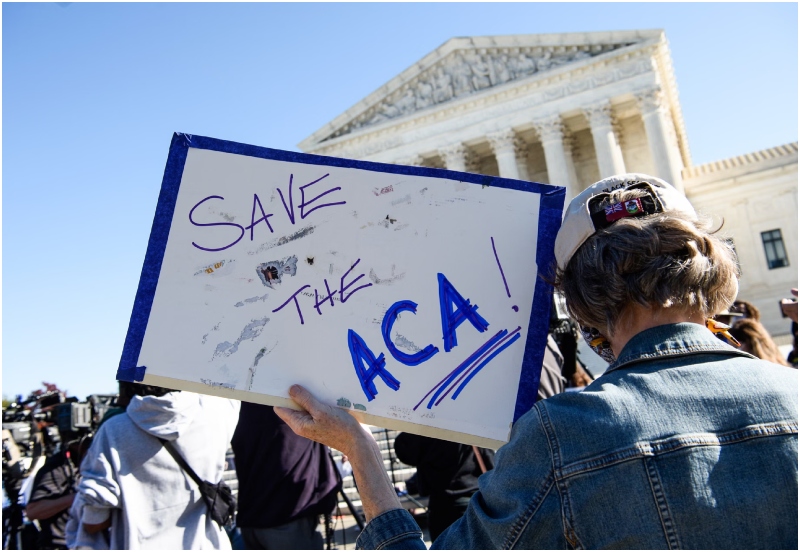
Photograph: Nicholas Kamm/AFP via Getty Images
Background: Subsidies at the Center of Healthcare Debate
The premium tax credits in question were expanded during the pandemic to make ACA coverage more affordable, reducing out-of-pocket costs for millions of Americans. These enhanced subsidies played a significant role in expanding enrollment to a record 24 million people since 2021.
However, without congressional action, they expired on January 1, 2026, triggering immediate increases in premiums and plunging many enrollees into higher costs. Analysts estimate that, in the absence of subsidies, average marketplace premiums could jump sharply — with some consumers facing more than double their previous costs.
What the House Vote Means
The House bill aims to reinstate enhanced ACA subsidies for three years, providing a temporary reprieve from steep premium increases and reaffirming federal backing for insurance affordability. The Congressional Budget Office (CBO) estimates that the extension would increase the number of people with health coverage by millions over several years, while adding roughly $80.6 billion to the federal deficit over a decade.
Supporters argue the extension is critical to preserving access to affordable health insurance for low- and middle-income families and maintaining stability in the individual insurance market. Critics, including some Republican leaders, contend that the bill lacks income caps and could benefit higher-income earners, while also increasing federal spending.
Real-World Impact on Americans’ Healthcare Costs
With the lapse in enhanced subsidies at the start of 2026, millions of Americans have already experienced significant premium hikes or are weighing plans with much higher costs. In some cases, individuals who were paying relatively modest monthly premiums are now facing increases of hundreds of dollars per month. Analysts warn that this could prompt millions to drop insurance coverage altogether, particularly among healthier, younger populations.
Without such coverage, many people are likely to forgo preventive care or delay necessary treatment — outcomes that can burden emergency departments, increase uncompensated care, and raise costs across the healthcare system.
Senate and Broader Implications
The House extension bill is now in the Senate’s hands. Some Senate lawmakers are exploring compromise proposals that include shorter extensions, income eligibility limits, and changes to premium structures, while pushing GOP leadership to engage more fully with the healthcare affordability crisis.
If the Senate fails to act, policymakers warn that millions could remain exposed to higher costs and reduced coverage — a scenario that could reshape healthcare markets and influence political debates around the 2026 midterm elections.
Looking Ahead
Healthcare costs remain a central concern for many Americans, particularly those in states without Medicaid expansion or with limited insurer competition.
The debate over ACA subsidies underscores broader disputes over the role of federal policy in health coverage affordability, fiscal responsibility, and the future of the U.S. healthcare system.