
A deadly shooting involving U.S. Immigration and Customs Enforcement (ICE) agents in Minneapolis has ignited renewed legal debate over whether a U.S. state—or its cities—can lawfully remove or bar ICE from operating within their territory.
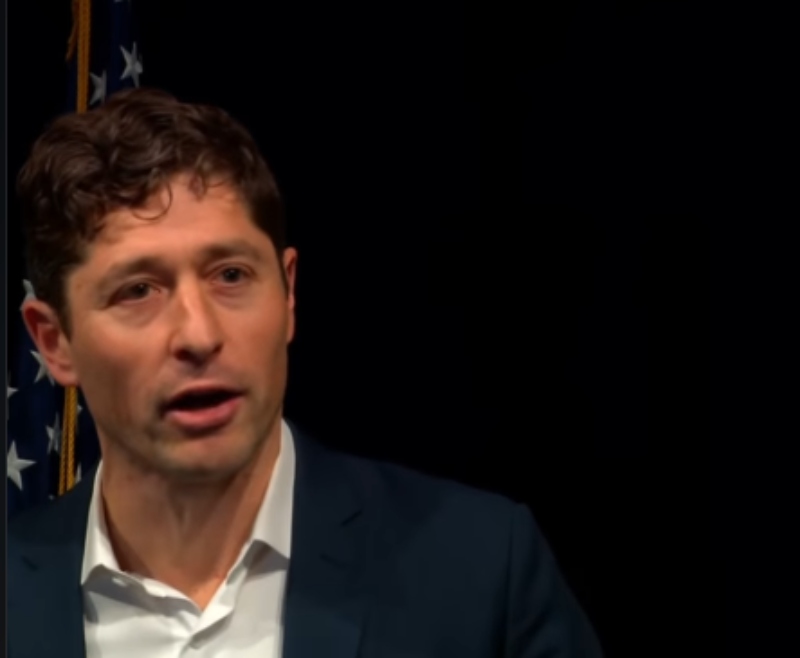
Minneapolis Mayor Jacob Frey delivered a blunt and emotional rebuke of the federal agency on Tuesday, January 7, 2026, declaring ICE unwelcome in the city following the fatal shooting of a woman during an ICE-related operation.
“To ICE, get the f*** out of Minneapolis,” Frey said at a news conference, rejecting claims that the shooting was carried out in self-defense. “Your stated reason for being in this city is to create some kind of safety, and you are doing exactly the opposite.”
According to Minneapolis Police Chief Brian O’Hara, there is no indication the woman—described as a middle-aged white woman—was the subject of any law enforcement investigation. O’Hara said she was in her vehicle and may have been blocked by the presence of federal officers when the shooting occurred.
The U.S. Department of Homeland Security, however, claimed through spokesperson Tricia McLaughlin that the woman attacked ICE officers, a narrative the mayor forcefully disputed.
“The suggestion that this was self-defense is a garbage narrative,” Frey said. “It has no truth.”
Can a State or City Remove ICE?
Under the U.S. Constitution’s Supremacy Clause, federal law generally takes precedence over state law, and federal agencies such as ICE are authorized to operate nationwide.
Legal scholars note that states and municipalities cannot outright expel or ban ICE from their territory. Any attempt by a state to physically remove or prohibit a federal agency from operating would almost certainly be struck down by federal courts as unconstitutional interference with federal authority.
However, cities and states do retain significant power to limit cooperation with ICE. So-called “sanctuary” jurisdictions lawfully restrict the use of local resources—such as police personnel, detention facilities, or databases—for federal immigration enforcement. Courts have repeatedly upheld these policies, ruling that the federal government cannot compel states or cities to enforce federal immigration law.
The Gray Areas
While Minneapolis cannot legally force ICE to leave, it can:
- Refuse to honor ICE detainer requests without judicial warrants
- Bar local police from assisting in immigration enforcement
- Limit ICE access to city facilities and data
- Challenge federal actions in court if constitutional rights are violated
What remains legally contentious is whether state governments can go further by enacting laws that indirectly frustrate ICE operations, such as imposing heightened oversight requirements or restricting the circumstances under which federal agents may coordinate with local officials.
Broader Implications
The Minneapolis shooting comes amid heightened national scrutiny of immigration enforcement tactics and federal-local relations. Legal experts say that while Mayor Frey’s statement reflects political outrage and public accountability, it also underscores the structural reality that immigration enforcement remains firmly under federal control.
Any effort by a U.S. state to fully remove ICE would likely require congressional action, not state legislation. Until then, ICE roams the streets.