
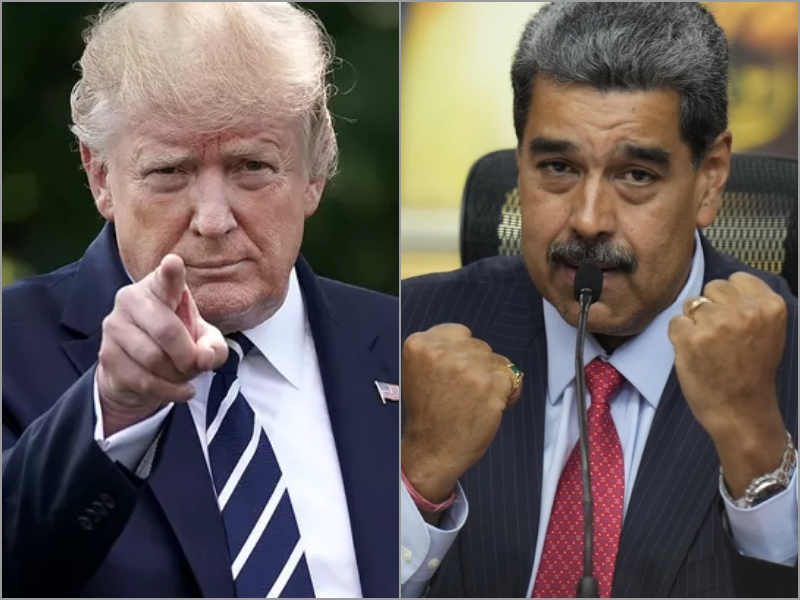
A covert US drone strike carried out by the Central Intelligence Agency on Venezuelan territory earlier this month is raising fresh legal questions about executive authority, sovereignty, and the expanding scope of US counter-narcotics operations abroad.
According to an exclusive report by CNN, the CIA conducted a drone strike on a port facility along Venezuela’s coast, marking the first known US attack on a land-based target inside the country. Sources familiar with the matter said the facility was believed to be used by the Venezuelan criminal gang Tren de Aragua to store narcotics and transfer them onto boats for international trafficking.
No casualties were reported, as the dock was unoccupied at the time of the strike. The operation reportedly destroyed the facility and several boats linked to drug smuggling.
The strike represents a significant escalation in US actions against Venezuela, where previous operations had been limited to targeting suspected trafficking vessels in international waters, an area where the US military has clearer legal authority. By contrast, US strikes on land inside Venezuela raise complex questions under international law, particularly regarding state sovereignty and the use of force without host-nation consent.
The CIA declined to comment publicly on the operation. CNN also reported that requests for comment from the White House and Venezuela’s Ministry of Foreign Affairs went unanswered.
Two sources told CNN that US Special Operations Forces provided intelligence support for the strike, though that claim was disputed by US Special Operations Command. A spokesperson denied any special operations involvement, including intelligence assistance.
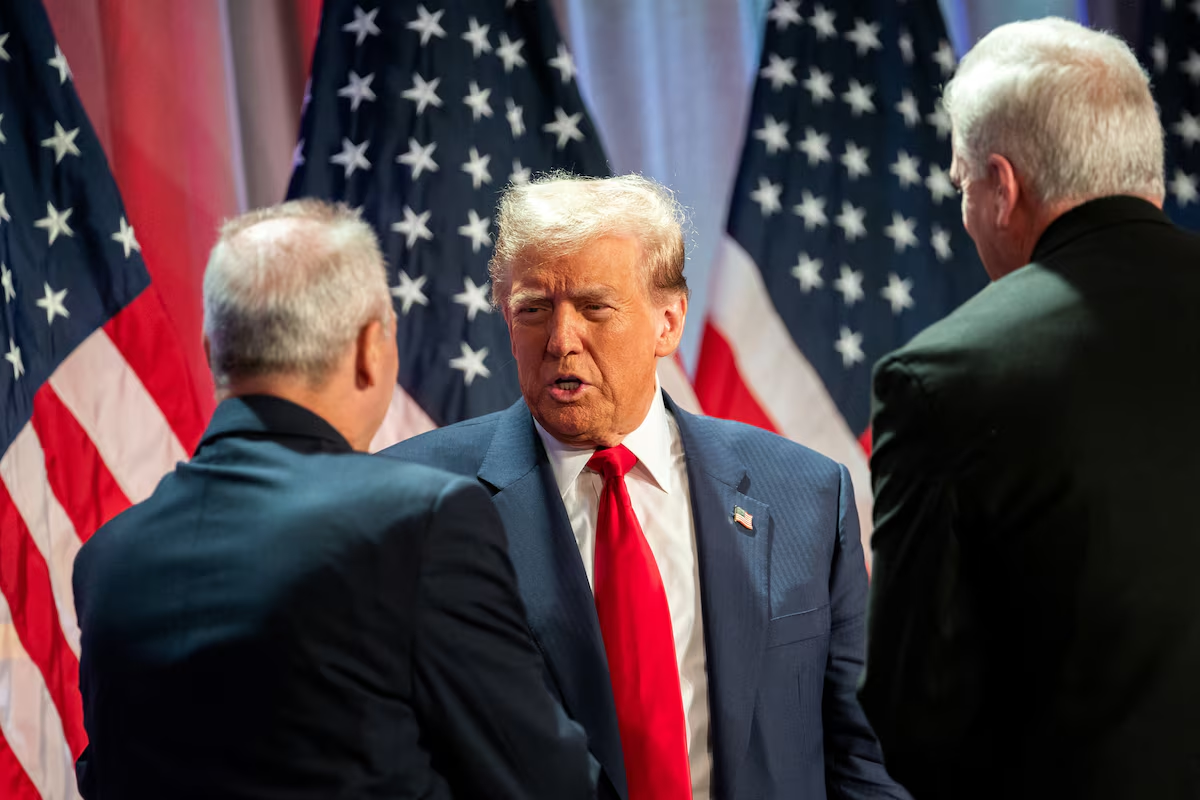
President Donald Trump appeared to confirm the attack in remarks made during a December 26 interview, later stating that the US struck “the dock area where they load the boats up with drugs.” However, he declined to specify whether the operation was conducted by the CIA or the US military, a distinction with legal implications given the different statutory authorities governing covert action and military force.
Under US law, CIA operations abroad are governed by Title 50 authorities, requiring presidential findings and congressional notification, while military strikes fall under Title 10. Legal experts note that the use of intelligence agencies for kinetic operations can complicate oversight and blur lines between covert action and armed conflict.
The strike follows an expansion earlier this year of the CIA’s operational authority in Latin America, including Venezuela, as part of the Trump administration’s aggressive counter-narcotics strategy. The US has destroyed more than 30 suspected drug-smuggling boats in the Caribbean and eastern Pacific and imposed a blockade on sanctioned Venezuelan oil shipments.
Senior administration officials have framed the campaign as both a law enforcement and national security effort. Defense Secretary Pete Hegseth has publicly likened drug trafficking organizations to terrorist groups, signaling that the administration views narcotics networks as legitimate military-style targets.
“These narcoterrorists are the al Qaeda of our hemisphere,” Hegseth said earlier this month.
Despite the administration’s justification, international law scholars warn that unilateral strikes inside a sovereign state — absent an imminent threat or clear self-defense claim — risk violating the UN Charter’s prohibition on the use of force. Venezuelan President Nicolás Maduro, who remains under heavy US sanctions, has not publicly responded to reports of the strike.
One source described the operation as largely symbolic, noting that the targeted dock was only one of many facilities used by traffickers along Venezuela’s coastline. Nonetheless, the strike signals a willingness by the US to cross a threshold it had previously avoided.
As Congress and international observers seek clarity, the incident is likely to intensify scrutiny of covert action authorities, executive power, and the legal boundaries of the US-led war on drugs.