
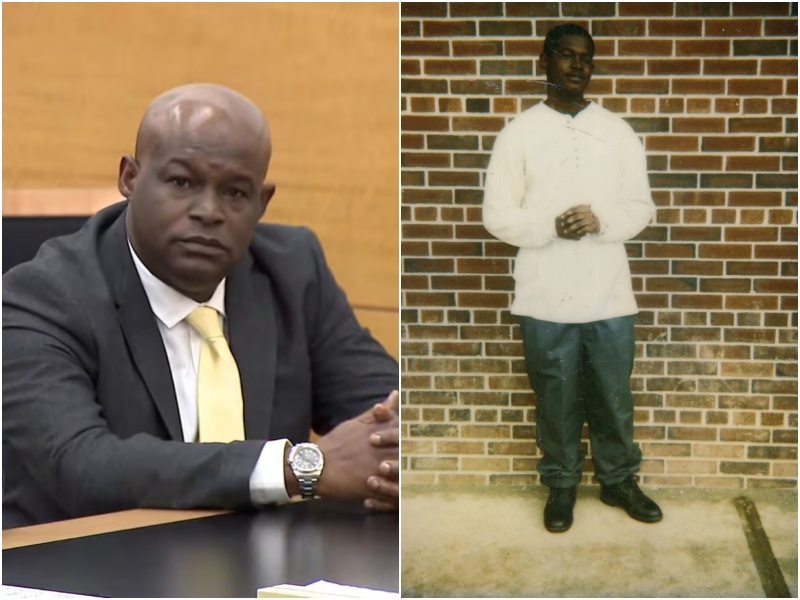
A New York man who spent nearly two decades in prison for a murder he did not commit has been fully exonerated after the actual gunman confessed, capping a decades-long miscarriage of justice that began when critical evidence was ignored.
Emel McDowell was 17 years old when he was arrested and charged with murder following a fatal shooting at a Brooklyn house party in October 1990. Despite maintaining his innocence and possessing a handwritten letter from the individual he said fired the fatal shot, McDowell was convicted in 1992 and sentenced to 22 years to life in prison.
The letter — written in January 1991 while McDowell was detained at Rikers Island — acknowledged responsibility for the shooting and expressed remorse over McDowell’s incarceration. McDowell handed the letter to his court-appointed attorney, believing it would exonerate him. It was never introduced at trial nor shared with prosecutors.
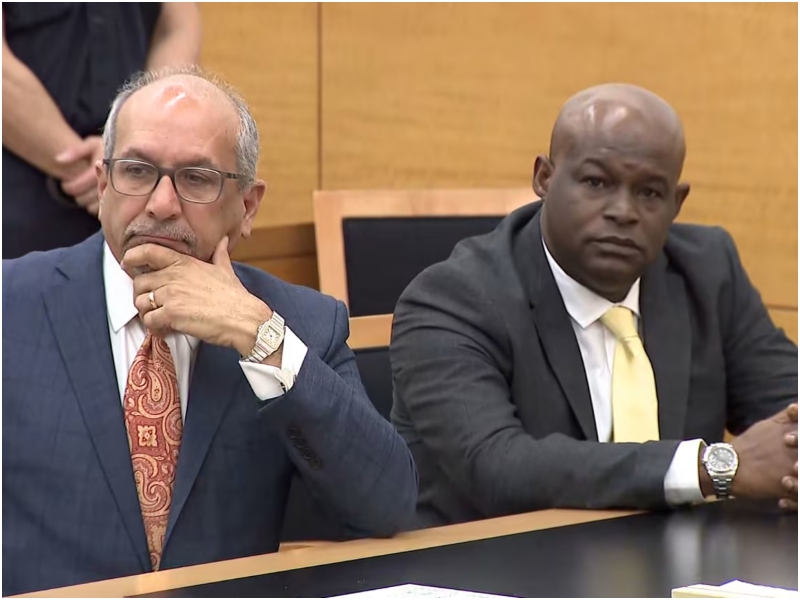
WCBS
According to later findings by the Brooklyn District Attorney’s Office, investigators failed to pursue evidence pointing to the actual shooter, despite conflicting witness accounts and McDowell naming his friend as the gunman from the outset. The murder weapon was never recovered.
In December 2009, after serving more than 19 years in prison, McDowell accepted a plea deal to manslaughter that allowed his immediate release but left him legally guilty. He later described the decision as a choice between freedom and justice, taken after years of failed appeals and eroded trust in the system.
More than a decade later, McDowell’s case was reviewed by the Brooklyn District Attorney’s Conviction Review Unit. In March 2023, prosecutors moved to vacate his conviction after the friend who authored the letter formally confessed to firing the gun, claiming self-defense. Authorities determined no charges would be filed against the shooter.
“Our legal system failed Emel McDowell,” Brooklyn District Attorney Eric Gonzalez said at the time, citing tunnel vision and confirmation bias by law enforcement.
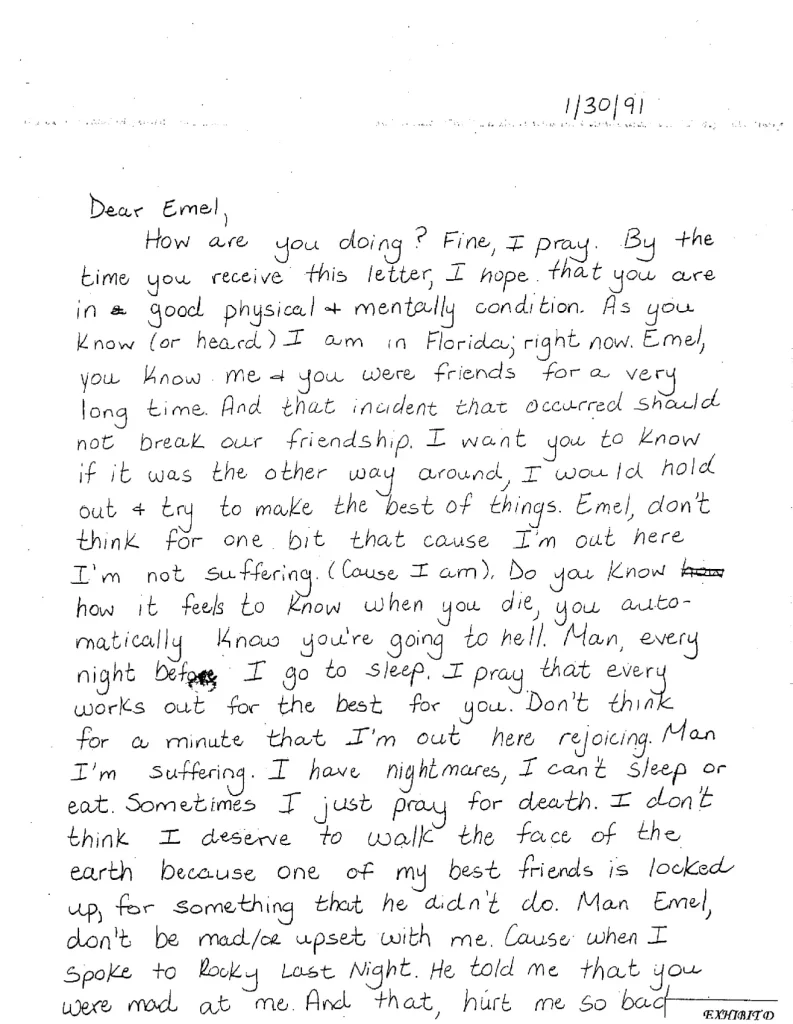
Courtesy Emel McDowell
Following his exoneration, McDowell secured a $9 million settlement from New York City and several police officers in a wrongful conviction lawsuit. He has since filed an additional claim against New York State, arguing that he is entitled to compensation for forced prison labor and lost wages during nearly two decades of incarceration — a claim his legal team characterizes as addressing a modern form of involuntary servitude.
Despite his exoneration, McDowell says the legal and social consequences of his conviction persist. Criminal background checks outside New York still reflect his manslaughter plea without noting the vacated conviction, underscoring ongoing concerns about record sealing versus expungement in wrongful conviction cases.
Now 53, McDowell works in real estate and assists law firms with post-conviction motions. He says he intends to attend law school and advocate for others facing wrongful imprisonment.
His case adds to growing scrutiny of prosecutorial discretion, ineffective assistance of counsel, and systemic bias within the U.S. criminal justice system — particularly in cases involving juvenile defendants during the high-crime era of the early 1990s.