
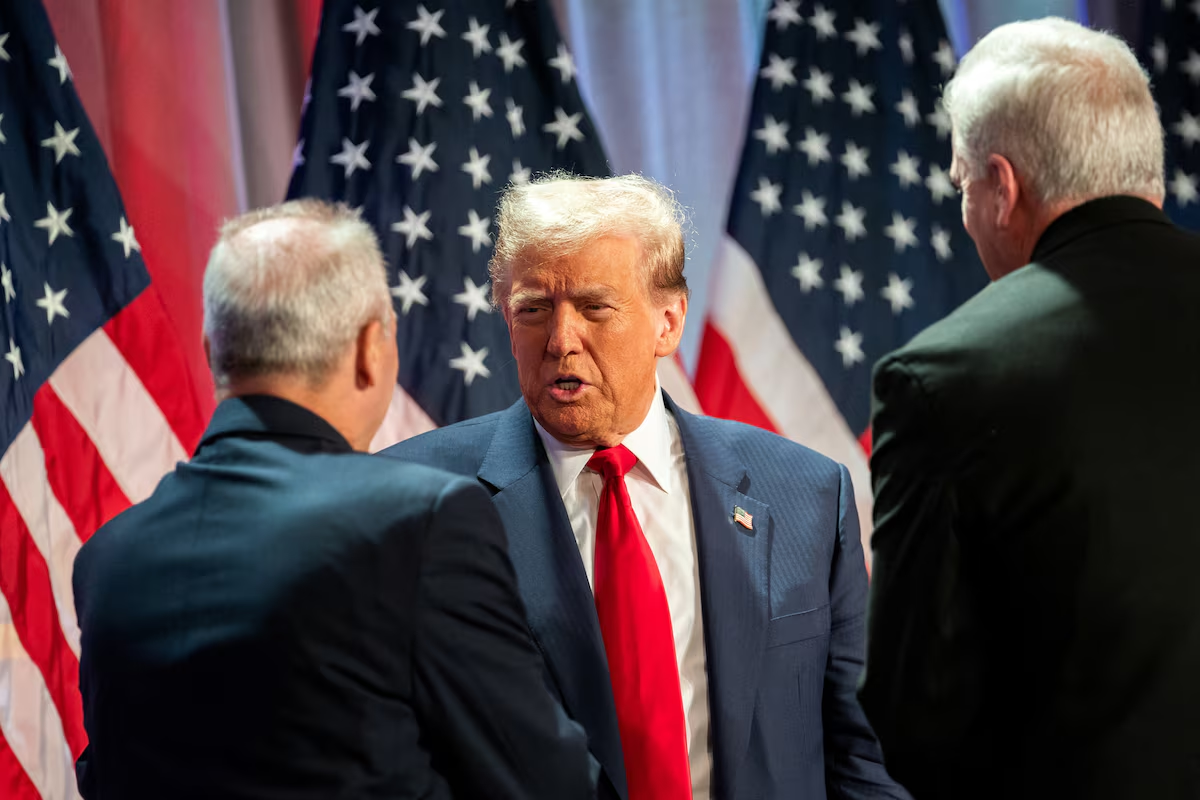
President Donald Trump is expected to shift his attention to potential renovations of golf courses in and around Washington, D.C., according to a report by The Wall Street Journal, a move that is already drawing scrutiny from critics concerned about presidential priorities, ethics, and public spending.
The report indicates that Trump has recently been focused on renovation projects tied to presidential properties and spaces, including proposed changes to the White House and updates to areas associated with presidential use. With those efforts facing possible delays, Trump is now said to be exploring involvement in renovation plans for golf courses in the Washington metropolitan area.
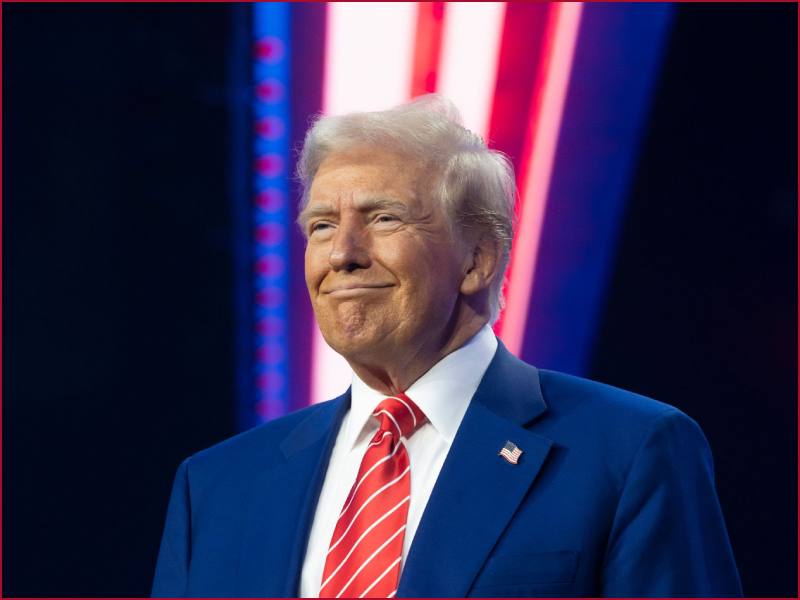
The development has renewed debate over the intersection of presidential authority, personal business interests, and public resources. Trump, who owns multiple golf properties through the Trump Organization, has long faced criticism over frequent golfing during his time in office and the associated costs to taxpayers for security and travel.
According to figures cited by The Huffington Post, taxpayers spent nearly $1 million on Trump’s golf-related travel and security expenses in the early months following his return to office in January. While presidential travel costs are not unusual, critics argue that repeated visits to golf facilities—particularly those tied to a president’s personal brand—raise conflict-of-interest concerns.
Legal and ethics experts note that while a sitting president is exempt from certain federal conflict-of-interest statutes, the Emoluments Clauses of the U.S. Constitution and longstanding norms governing executive conduct remain central to public accountability. Renovations or enhancements that could indirectly benefit private interests may invite congressional oversight or legal challenges, particularly if public funds or federal authority are involved.
The timing of the reported focus has also sparked criticism, as lawmakers and policy analysts warn that health care subsidies are set to expire within weeks, potentially affecting millions of Americans. Opponents argue that executive attention should remain fixed on urgent legislative and regulatory matters rather than discretionary infrastructure or leisure-related projects.
Supporters, however, counter that presidential involvement in recreational or infrastructure improvements does not preclude parallel policy work and note that prior administrations have undertaken renovations and upgrades to public facilities.
As details of the reported golf course renovation plans remain limited, it is unclear whether Trump’s interest would involve federal funding, public-private partnerships, or advisory influence. Legal analysts say those distinctions will be critical in determining whether the initiative raises constitutional or administrative law concerns.
The White House has not yet issued a formal statement addressing the Wall Street Journal report.