
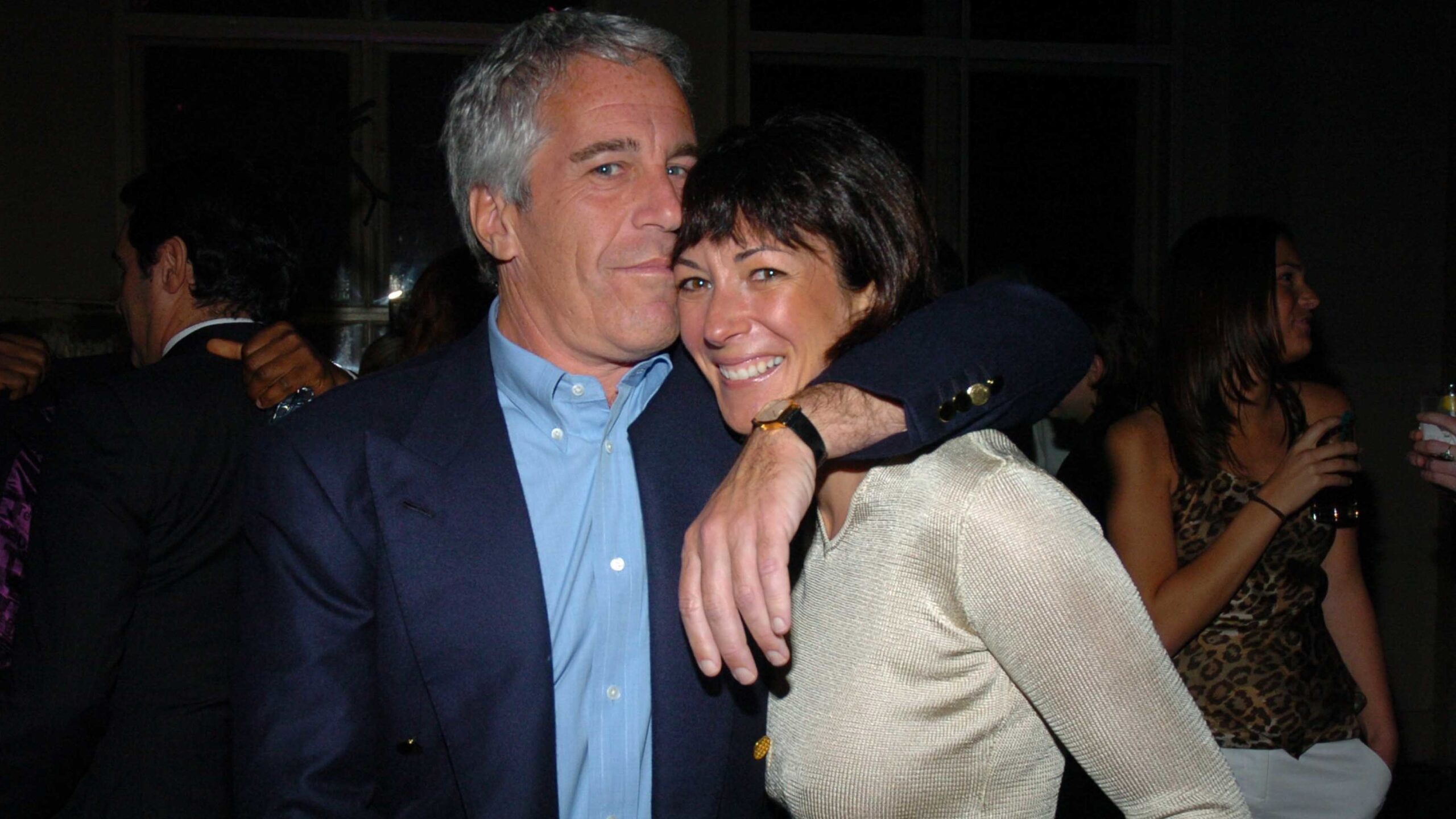
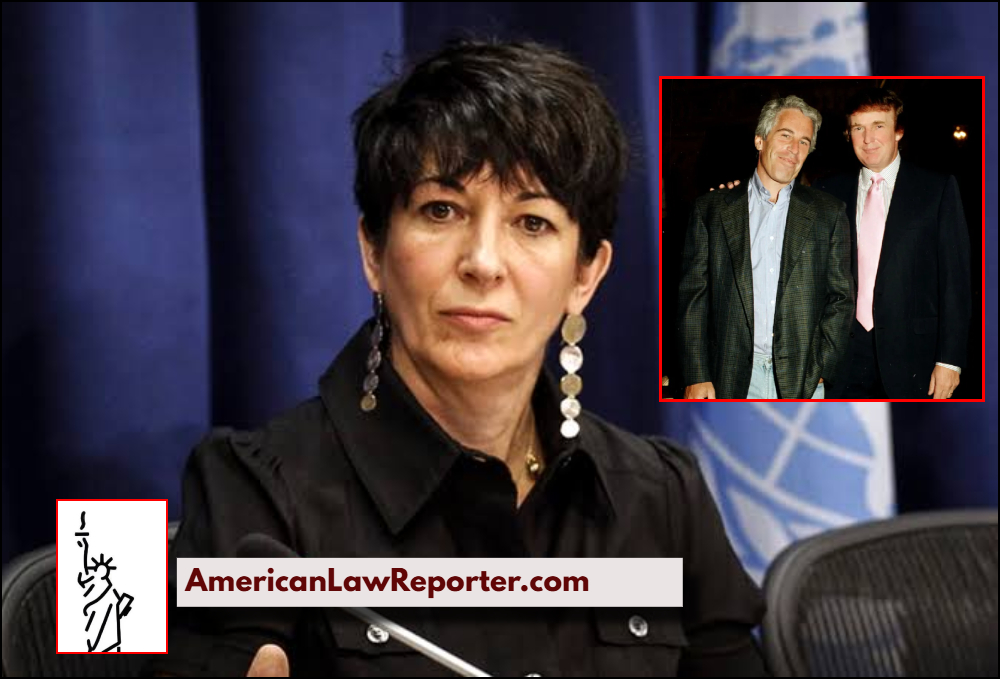
A federal judge in New York has approved the Justice Department’s request to unseal long-restricted records from Ghislaine Maxwell’s sex-trafficking case.
The move marks one of the first major disclosures mandated under the newly enacted Epstein Files Transparency Act. But the judge cautioned the public not to expect the sweeping revelations many have been anticipating.
U.S. District Judge Paul A. Engelmayer ruled Tuesday, December 9, 2025, that grand jury transcripts and other sealed materials from Maxwell’s prosecution can be released, citing Congress’ new directive requiring the government to open its Epstein-related investigative files by December 19.
However, Engelmayer was blunt about the contents:
‘The documents do not name any additional individuals accused of sexual contact with minors. They do not list Epstein’s so-called ‘clients.’ They do not introduce new methods or unknown elements of Epstein or Maxwell’s criminal conduct.‘
A Transparency Law Born From Political Pressure
The unsealing push follows months of public scrutiny and political pressure after President Donald Trump—now in his second term—ran on a campaign promise to release the Epstein files. His administration released a handful of documents early this year, but halted further disclosures in July despite pledging a “truckload” of records.
Congress responded by passing the Epstein Files Transparency Act, which forces the DOJ to release 18 categories of investigative material, including search warrants, financial documents, interview notes, and electronic data collected during the federal probe.
The law carved out a rare exception to secrecy rules governing grand jury proceedings, an unprecedented move that set the stage for Tuesday’s ruling. A federal judge in Florida last week ordered similar disclosures from an abandoned early-2000s Epstein investigation.
Judge: Privacy Protections Must Be Ironclad
While ordering the release, Judge Engelmayer also placed strict requirements on the Justice Department. Manhattan U.S. Attorney Jay Clayton must personally certify that every record has been reviewed to avoid revealing identifying details of victims or releasing any sensitive imagery.
The DOJ has said it is already coordinating with survivors and their legal teams to ensure their privacy is protected.
Maxwell’s Team Claims the Release Could Undermine Her Appeal
Maxwell’s attorney, David Markus, argued unsuccessfully that unsealing the records could jeopardize her planned habeas petition seeking to overturn her conviction, calling the potential prejudice “so severe” that it would effectively eliminate any chance of a fair retrial.
The U.S. Supreme Court declined to hear Maxwell’s appeal earlier this year. She is currently serving a 20-year sentence and was moved this summer from a Florida federal prison to a lower-security facility in Texas.
Survivors Want Answers—Not Excuses
Epstein survivor Annie Farmer, who helped champion the transparency law, welcomed the judge’s ruling. Through attorney Sigrid McCawley, she expressed concern that keeping records sealed could “be used as a pretext” to continue withholding information about Epstein’s crimes and the failures that allowed him to evade serious charges for years.
The demand for accountability is not new. Tens of thousands of pages of documents relating to Epstein and Maxwell have trickled out over two decades through lawsuits, FOIA requests and investigative reporting. But key parts of the federal case—especially grand jury proceedings—have remained off-limits until now.
A Long Trail of Secrecy
Many of the yet-to-be-released materials trace back to the mid-2000s, when Palm Beach police and federal prosecutors investigated Epstein. That probe was abruptly halted in 2008 with a now-infamous non-prosecution agreement allowing Epstein to plead to a state charge and serve just 13 months, much of it on work release.
The newly mandated disclosures could shed light on how and why that agreement was crafted, though Judge Engelmayer made clear: the public should brace for more clarity, not shock.
What Comes Next
A separate request to unseal records from Epstein’s 2019 federal sex-trafficking indictment—filed just weeks before he died in jail—is still pending.
With the December 19 deadline looming, the Justice Department is under pressure to deliver unprecedented transparency in a case defined by secrecy, political controversy, and a long shadow over the justice system.
Whether the forthcoming files satisfy a public hungry for answers—or fuel new questions about who knew what, and when—remains to be seen.